
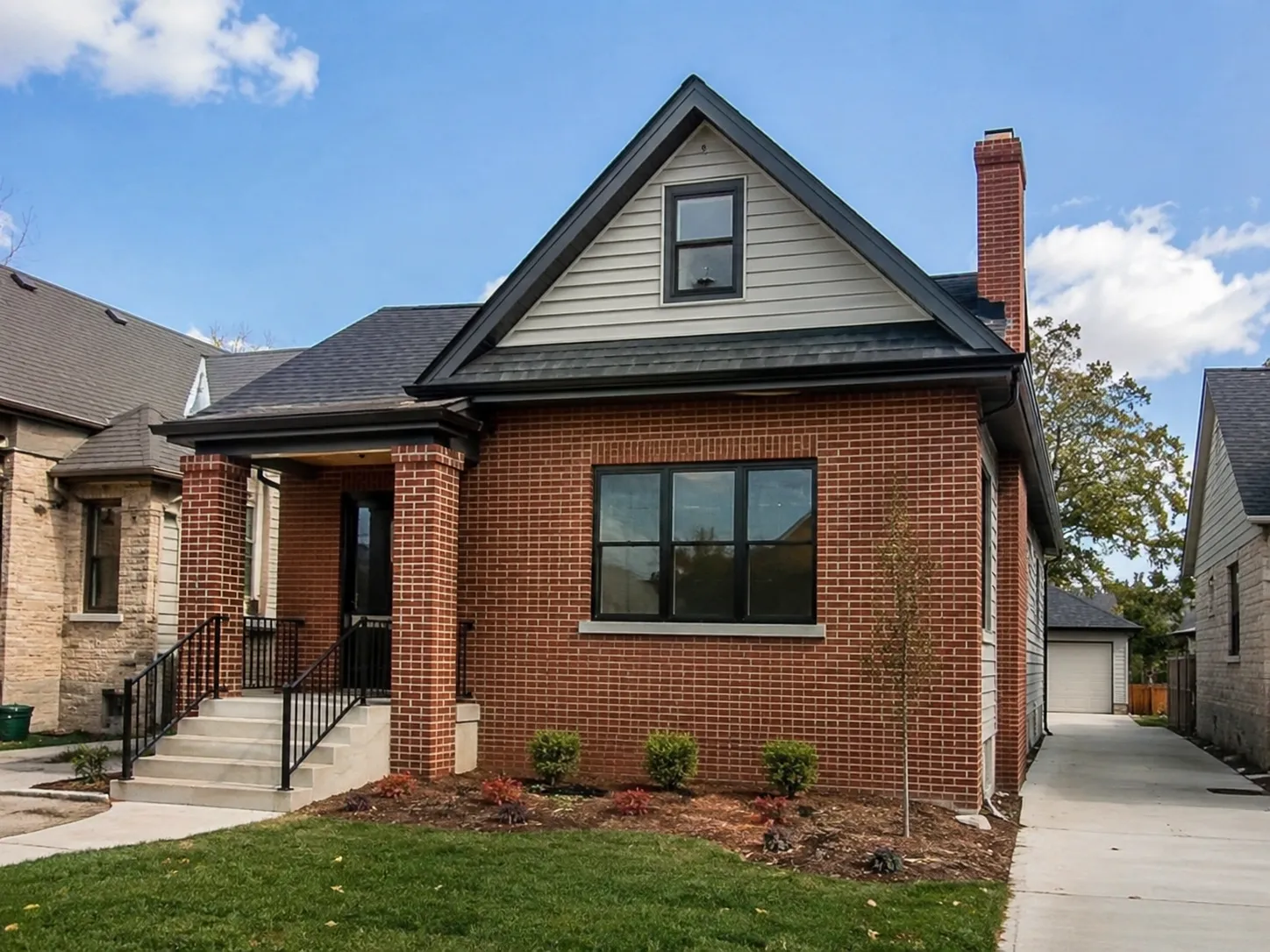

When homeowners consider exterior improvements, one of the most common questions is: does brick add value to a home? Brick has been used in residential construction for centuries because of its durability, timeless appearance, and ability to protect buildings from the elements.
A brick exterior is often viewed as a premium feature, but its true value depends on several factors, including the quality of installation, local housing market preferences, maintenance requirements, and the overall condition of the property.
This guide explores the benefits, costs, and long-term advantages of brick homes to help homeowners understand why brick continues to be one of the most respected building materials in residential construction.
Why Brick Is Considered a Valuable Home Feature
Brick is more than just an exterior finish. It is a durable masonry system that contributes to a home’s appearance, protection, and long-term performance.
Unlike many modern siding materials, brick provides a combination of:
-
Long-term durability
-
Strong weather resistance
-
Low maintenance requirements
-
Timeless architectural appeal
-
Fire resistance
-
Improved exterior protection
These qualities can make brick homes attractive to buyers who value longevity and reduced maintenance.
Does Brick Increase Home Value?
The short answer is: brick can add value to a home, but the increase depends on the property, location, and market conditions.
Buyers often associate brick exteriors with quality construction and long-term reliability. A well-maintained brick home may have stronger appeal compared with properties that require frequent exterior maintenance.
However, brick alone does not automatically guarantee a higher selling price. Factors such as:
-
Neighborhood demand
-
Home size and layout
-
Interior condition
-
Overall property maintenance
-
Local buyer preferences
all influence the final market value.
A professionally installed and properly maintained brick exterior can contribute positively to a home’s perceived quality and curb appeal.
The Benefits of Brick Exteriors
1. Exceptional Durability
One of the biggest advantages of brick is its lifespan.
A properly constructed brick exterior can last for many decades with minimal maintenance. Brick is resistant to:
-
Rot
-
Insect damage
-
Warping
-
Many forms of weather deterioration
This durability is one reason brick remains popular among homeowners seeking a long-term investment.
2. Low Maintenance Requirements
Compared with some other exterior materials, brick typically requires less ongoing maintenance.
Brick does not need regular painting, and it generally maintains its appearance for many years.
Routine professional inspections may still be recommended to identify:
-
Mortar deterioration
-
Water penetration issues
-
Cracking
-
Settlement-related movement
Addressing masonry problems early helps preserve the condition and value of the property.
3. Strong Curb Appeal
Appearance plays an important role in how buyers perceive a home.
Brick provides a classic appearance that works with many architectural styles, from traditional homes to modern designs.
A well-maintained brick exterior can create:
-
A premium first impression
-
A sense of quality construction
-
Greater architectural character
-
Increased buyer interest
4. Weather Protection
Brick provides excellent resistance against many environmental conditions.
A properly constructed brick wall system helps protect the home from:
-
Heavy rain
-
Wind exposure
-
Temperature changes
-
Exterior impact
However, proper installation and moisture management are essential. Even durable materials require correct construction practices to perform effectively.
5. Energy Efficiency Benefits
Brick itself does not act as insulation in the same way as dedicated insulation materials, but brick masonry can contribute to overall building performance.
Its thermal mass allows it to absorb and slowly release heat, helping moderate temperature changes.
When combined with modern insulation systems, brick walls can contribute to improved energy efficiency and indoor comfort.
The Cost of Adding Brick to a Home
One of the main considerations for homeowners is the initial investment.
Brick installation typically costs more than many alternative exterior materials because it requires:
-
Skilled masonry labor
-
Quality materials
-
Proper structural considerations
-
Detailed installation techniques
The final cost depends on:
-
Size of the project
-
Type of brick selected
-
Design complexity
-
Accessibility of the property
-
Local labor rates
While the upfront cost may be higher, many homeowners consider brick a long-term investment because of its durability and reduced maintenance needs.
Brick vs Other Exterior Materials
Brick vs Vinyl Siding
Vinyl siding is often less expensive initially, but it may require replacement sooner and can be more vulnerable to impact damage.
Brick generally offers:
-
Longer lifespan
-
Greater durability
-
More premium appearance
Brick vs Wood Siding
Wood siding provides natural beauty but requires more maintenance to protect against moisture, insects, and weather exposure.
Brick typically requires less ongoing care.
Brick vs Fiber Cement
Fiber cement siding can provide durability and attractive appearance, but brick remains one of the longest-lasting exterior materials available.
The best choice depends on the home’s design, budget, and long-term goals.
Does Brick Improve Resale Value?
For many buyers, brick is considered a desirable feature because it suggests:
-
Quality construction
-
Lower future maintenance
-
Long-term durability
-
Classic appearance
A brick home may stand out in competitive real estate markets, especially where buyers value traditional masonry construction.
However, resale value depends on the complete condition of the property. A brick exterior cannot compensate for major issues such as outdated interiors, structural problems, or poor maintenance.
Potential Disadvantages of Brick Homes
Although brick offers many advantages, homeowners should also understand potential challenges.
Higher Initial Cost
Brick installation generally requires a larger upfront investment compared with some siding options.
Difficult Repairs
Brick repairs require specialized knowledge. Matching existing brick color, texture, and mortar composition can be challenging, especially on older homes.
Moisture Management Requirements
Although brick is durable, water can still affect masonry systems if drainage, flashing, or mortar joints are damaged.
Professional inspections are important when signs of deterioration appear.
Signs Your Brick Exterior Needs Professional Attention
Maintaining brick properly helps protect the home’s appearance and value.
Property owners should consider a masonry inspection if they notice:
-
Cracked bricks
-
Deteriorating mortar joints
-
Water stains
-
Bulging sections of brickwork
-
Loose masonry units
-
Interior moisture problems
Early professional evaluation can prevent minor masonry issues from developing into more extensive repairs.
Long-Term Benefits of Investing in Brick
Brick remains popular because it offers benefits that extend far beyond appearance.
Long-term advantages include:
-
Reduced maintenance requirements
-
Strong resistance to weather conditions
-
Extended exterior lifespan
-
Improved property appeal
-
Preservation of architectural character
For homeowners planning to remain in their property for many years, brick can represent an investment in durability and long-term performance.
Frequently Asked Questions
Does brick add value to a home?
Yes, brick can increase a home’s appeal and perceived value due to its durability, appearance, and low maintenance requirements. The actual impact depends on location, market conditions, and overall property quality.
Are brick homes worth more than siding homes?
Brick homes may attract buyers who value durability and reduced maintenance. However, home value depends on many factors beyond exterior material.
Is brick expensive compared with other materials?
Brick usually has a higher initial installation cost than many siding options, but its long lifespan can make it a valuable long-term investment.
Does brick require maintenance?
Brick requires less maintenance than many exterior materials, but professional inspections and masonry repairs may occasionally be needed to maintain performance.
Can damaged brick reduce home value?
Yes. Cracked, deteriorating, or poorly maintained brickwork can negatively affect a home’s appearance and market appeal. Professional masonry restoration can help preserve the property’s condition.
So, does brick add value to a home? In many cases, yes. Brick provides a combination of durability, timeless appearance, weather resistance, and low maintenance that many homeowners and buyers appreciate.
While the initial investment may be higher than some exterior alternatives, the long-term benefits can make brick a valuable feature for residential properties.
For homeowners considering brick installation, restoration, or repairs, a professional masonry assessment is the best way to understand the options available and ensure the work enhances both the performance and value of the property.