Categories Blog

Does Brick Add Value to a Home? Pros, Costs, and Long-Term Benefits

Does Brick Add Value to a Home
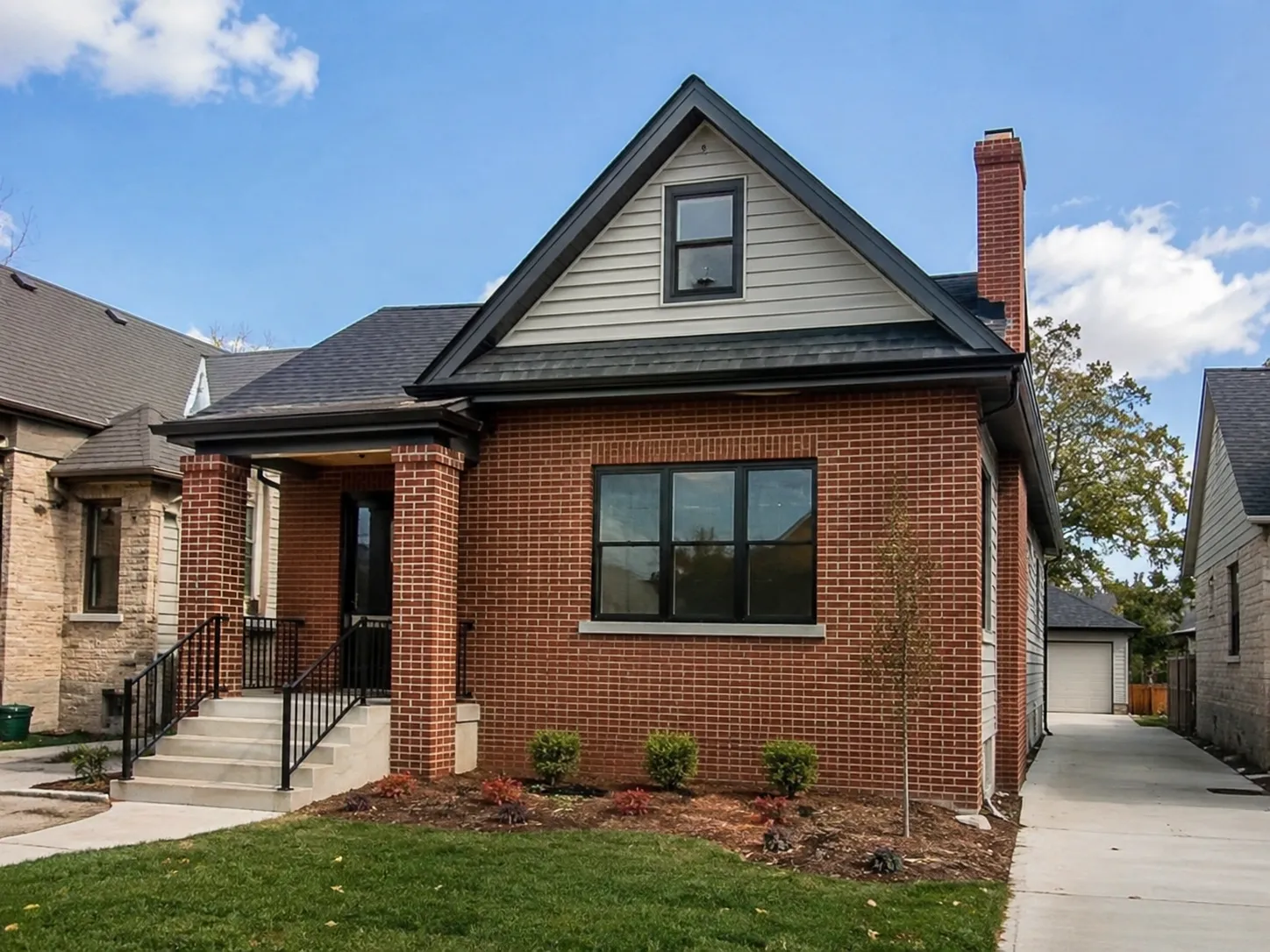
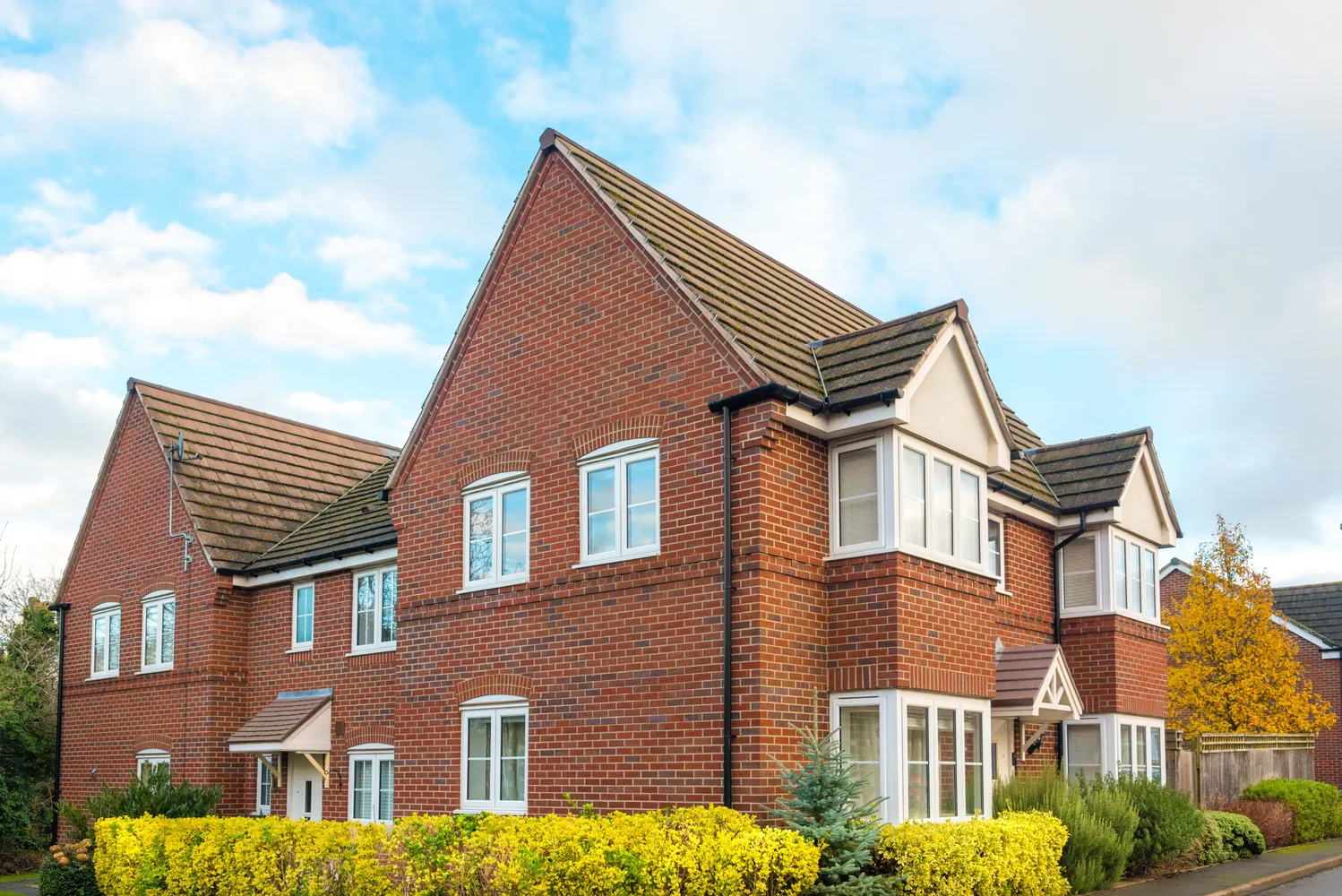
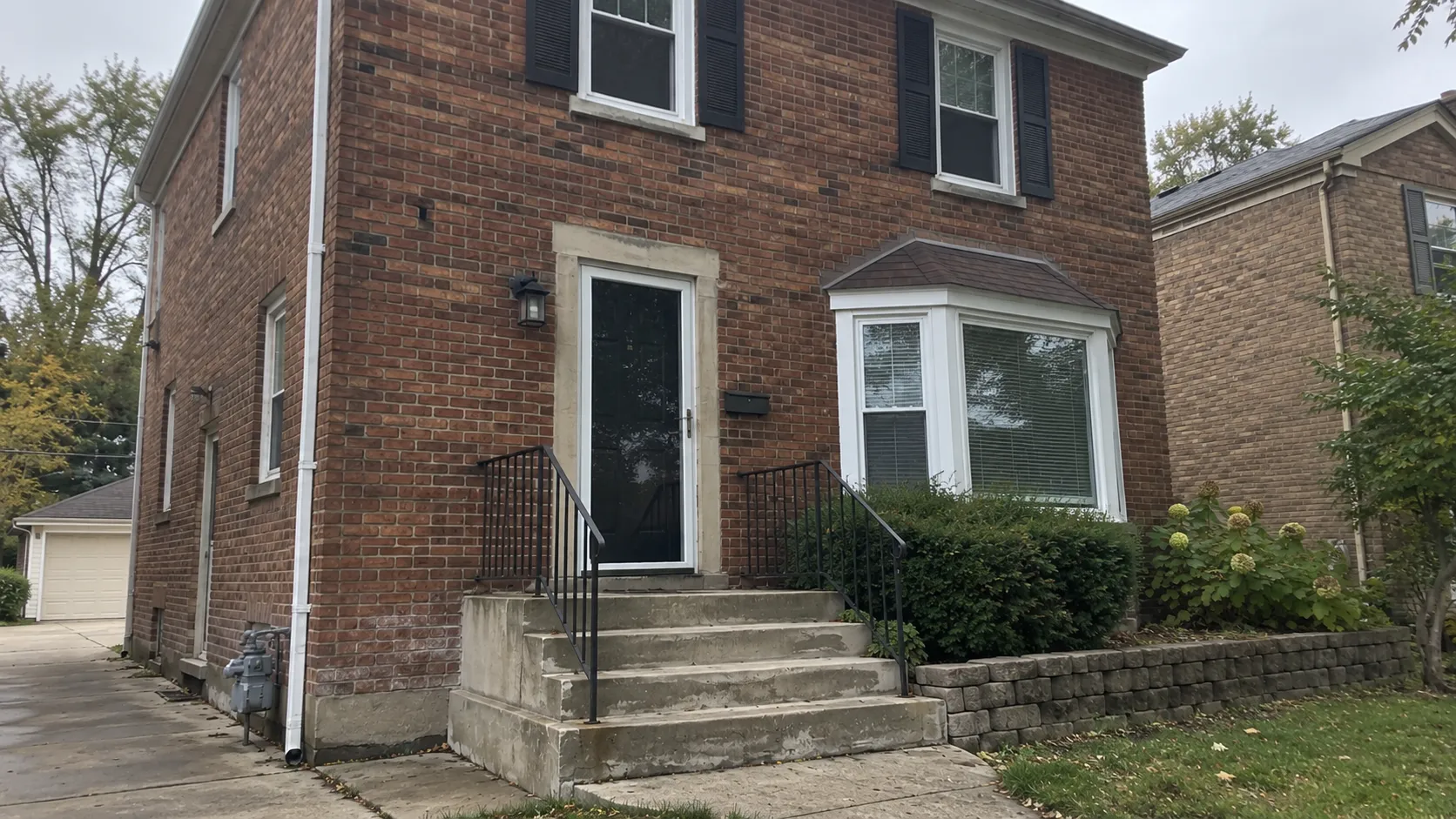
When homeowners consider exterior improvements, one of the most common questions is: does brick add value to a home? Brick has been used in residential construction for centuries because of its durability, timeless appearance, and ability to protect buildings from the elements.
A brick exterior is often viewed as a premium feature, but its true value depends on several factors, including the quality of installation, local housing market preferences, maintenance requirements, and the overall condition of the property.
This guide explores the benefits, costs, and long-term advantages of brick homes to help homeowners understand why brick continues to be one of the most respected building materials in residential construction.
 

Why Brick Is Considered a Valuable Home Feature

Brick is more than just an exterior finish. It is a durable masonry system that contributes to a home’s appearance, protection, and long-term performance.
Unlike many modern siding materials, brick provides a combination of:
  • Long-term durability
  • Strong weather resistance
  • Low maintenance requirements
  • Timeless architectural appeal
  • Fire resistance
  • Improved exterior protection
These qualities can make brick homes attractive to buyers who value longevity and reduced maintenance.
 

Does Brick Increase Home Value?

The short answer is: brick can add value to a home, but the increase depends on the property, location, and market conditions.
Buyers often associate brick exteriors with quality construction and long-term reliability. A well-maintained brick home may have stronger appeal compared with properties that require frequent exterior maintenance.
However, brick alone does not automatically guarantee a higher selling price. Factors such as:
  • Neighborhood demand
  • Home size and layout
  • Interior condition
  • Overall property maintenance
  • Local buyer preferences
all influence the final market value.
A professionally installed and properly maintained brick exterior can contribute positively to a home’s perceived quality and curb appeal.
 

The Benefits of Brick Exteriors

1. Exceptional Durability

One of the biggest advantages of brick is its lifespan.
A properly constructed brick exterior can last for many decades with minimal maintenance. Brick is resistant to:
  • Rot
  • Insect damage
  • Warping
  • Many forms of weather deterioration
This durability is one reason brick remains popular among homeowners seeking a long-term investment.
 

2. Low Maintenance Requirements

Compared with some other exterior materials, brick typically requires less ongoing maintenance.
Brick does not need regular painting, and it generally maintains its appearance for many years.
Routine professional inspections may still be recommended to identify:
  • Mortar deterioration
  • Water penetration issues
  • Cracking
  • Settlement-related movement
Addressing masonry problems early helps preserve the condition and value of the property.
 

3. Strong Curb Appeal

Appearance plays an important role in how buyers perceive a home.
Brick provides a classic appearance that works with many architectural styles, from traditional homes to modern designs.
A well-maintained brick exterior can create:
  • A premium first impression
  • A sense of quality construction
  • Greater architectural character
  • Increased buyer interest
 

4. Weather Protection

Brick provides excellent resistance against many environmental conditions.
A properly constructed brick wall system helps protect the home from:
  • Heavy rain
  • Wind exposure
  • Temperature changes
  • Exterior impact
However, proper installation and moisture management are essential. Even durable materials require correct construction practices to perform effectively.
 

5. Energy Efficiency Benefits

Brick itself does not act as insulation in the same way as dedicated insulation materials, but brick masonry can contribute to overall building performance.
Its thermal mass allows it to absorb and slowly release heat, helping moderate temperature changes.
When combined with modern insulation systems, brick walls can contribute to improved energy efficiency and indoor comfort.
 

The Cost of Adding Brick to a Home

One of the main considerations for homeowners is the initial investment.
Brick installation typically costs more than many alternative exterior materials because it requires:
  • Skilled masonry labor
  • Quality materials
  • Proper structural considerations
  • Detailed installation techniques
The final cost depends on:
  • Size of the project
  • Type of brick selected
  • Design complexity
  • Accessibility of the property
  • Local labor rates
While the upfront cost may be higher, many homeowners consider brick a long-term investment because of its durability and reduced maintenance needs.
 

Brick vs Other Exterior Materials

Brick vs Vinyl Siding

Vinyl siding is often less expensive initially, but it may require replacement sooner and can be more vulnerable to impact damage.
Brick generally offers:
  • Longer lifespan
  • Greater durability
  • More premium appearance

Brick vs Wood Siding

Wood siding provides natural beauty but requires more maintenance to protect against moisture, insects, and weather exposure.
Brick typically requires less ongoing care.

Brick vs Fiber Cement

Fiber cement siding can provide durability and attractive appearance, but brick remains one of the longest-lasting exterior materials available.
The best choice depends on the home’s design, budget, and long-term goals.
 

Does Brick Improve Resale Value?

For many buyers, brick is considered a desirable feature because it suggests:
  • Quality construction
  • Lower future maintenance
  • Long-term durability
  • Classic appearance
A brick home may stand out in competitive real estate markets, especially where buyers value traditional masonry construction.
However, resale value depends on the complete condition of the property. A brick exterior cannot compensate for major issues such as outdated interiors, structural problems, or poor maintenance.
 

Potential Disadvantages of Brick Homes

Although brick offers many advantages, homeowners should also understand potential challenges.

Higher Initial Cost

Brick installation generally requires a larger upfront investment compared with some siding options.

Difficult Repairs

Brick repairs require specialized knowledge. Matching existing brick color, texture, and mortar composition can be challenging, especially on older homes.

Moisture Management Requirements

Although brick is durable, water can still affect masonry systems if drainage, flashing, or mortar joints are damaged.
Professional inspections are important when signs of deterioration appear.
 

Signs Your Brick Exterior Needs Professional Attention

Maintaining brick properly helps protect the home’s appearance and value.
Property owners should consider a masonry inspection if they notice:
  • Cracked bricks
  • Deteriorating mortar joints
  • Water stains
  • Bulging sections of brickwork
  • Loose masonry units
  • Interior moisture problems
Early professional evaluation can prevent minor masonry issues from developing into more extensive repairs.
 

Long-Term Benefits of Investing in Brick

Brick remains popular because it offers benefits that extend far beyond appearance.
Long-term advantages include:
  • Reduced maintenance requirements
  • Strong resistance to weather conditions
  • Extended exterior lifespan
  • Improved property appeal
  • Preservation of architectural character
For homeowners planning to remain in their property for many years, brick can represent an investment in durability and long-term performance.
 

Frequently Asked Questions

Does brick add value to a home?

Yes, brick can increase a home’s appeal and perceived value due to its durability, appearance, and low maintenance requirements. The actual impact depends on location, market conditions, and overall property quality.

Are brick homes worth more than siding homes?

Brick homes may attract buyers who value durability and reduced maintenance. However, home value depends on many factors beyond exterior material.

Is brick expensive compared with other materials?

Brick usually has a higher initial installation cost than many siding options, but its long lifespan can make it a valuable long-term investment.

Does brick require maintenance?

Brick requires less maintenance than many exterior materials, but professional inspections and masonry repairs may occasionally be needed to maintain performance.

Can damaged brick reduce home value?

Yes. Cracked, deteriorating, or poorly maintained brickwork can negatively affect a home’s appearance and market appeal. Professional masonry restoration can help preserve the property’s condition.


So, does brick add value to a home? In many cases, yes. Brick provides a combination of durability, timeless appearance, weather resistance, and low maintenance that many homeowners and buyers appreciate.
While the initial investment may be higher than some exterior alternatives, the long-term benefits can make brick a valuable feature for residential properties.
For homeowners considering brick installation, restoration, or repairs, a professional masonry assessment is the best way to understand the options available and ensure the work enhances both the performance and value of the property.
Categories Blog

How to Repair a Broken Brick Wall After Cracks or Impact Damage

Brick walls are designed to withstand decades of exposure to weather, structural loads, and everyday wear. However, when cracks develop or impact damage occurs, the wall may lose both its structural integrity and its ability to protect the building from moisture and further deterioration. While minor cosmetic imperfections can sometimes be harmless, significant brick damage often indicates underlying structural issues that require professional assessment.
Understanding how to repair a broken brick wall after cracks or impact damage begins with identifying the root cause rather than simply addressing the visible damage. Professional masonry repair focuses on restoring the wall’s strength, stability, and long-term performance while preventing the problem from returning.
 

Why Brick Walls Crack or Become Damaged

Brick masonry is one of the most durable construction materials available, but no masonry system is immune to movement or external forces. The cause of the damage determines the most appropriate repair strategy.
Common causes include:
  • Foundation settlement
  • Ground movement
  • Vehicle or machinery impact
  • Tree root pressure
  • Water infiltration
  • Freeze-thaw expansion
  • Aging mortar joints
  • Poor original construction
  • Structural overloading
In many cases, the visible crack represents only a small portion of a much larger structural issue. Professional diagnosis is essential before any repair work begins.
 

Types of Brick Wall Damage

Different forms of damage require different repair methods.

Vertical Cracks

Vertical cracking may occur due to natural settlement or thermal expansion. While some vertical cracks remain stable, others indicate ongoing structural movement that should be monitored by masonry professionals.

Stair-Step Cracks

Stair-step cracks follow mortar joints and are among the most common signs of foundation movement. They frequently require evaluation by both structural engineers and experienced masonry contractors.

Horizontal Cracks

Horizontal cracks are generally more concerning because they may indicate excessive lateral pressure, wall movement, or structural instability.

Bulging or Bowed Walls

A wall that bows outward or appears uneven should never be considered a cosmetic issue. Bulging masonry often indicates internal failure and typically requires partial reconstruction.

Impact Damage

Vehicle collisions, falling trees, construction equipment, or heavy objects can crack bricks, displace entire wall sections, or compromise the structural bond between masonry units.
 

Why Professional Assessment Matters

A damaged brick wall cannot be properly repaired based solely on its appearance.
Experienced masonry specialists evaluate factors including:

Structural Movement

Professionals determine whether the wall has stabilized or continues to move. Repairing active movement without correcting its cause usually results in recurring cracks.

Foundation Condition

Foundation settlement frequently contributes to brick wall failure. Identifying movement beneath the structure is often a critical part of the inspection process.

Moisture Intrusion

Water penetration weakens mortar joints, accelerates freeze-thaw damage, and increases long-term deterioration throughout the wall.

Extent of Hidden Damage

Visible cracks rarely reveal the full extent of masonry damage. Professional inspections often uncover additional displaced bricks, weakened mortar joints, or concealed structural defects.
 

Professional Methods Used to Repair Broken Brick Walls

The appropriate repair depends on both the severity and cause of the damage. Reputable masonry contractors select repair techniques based on structural requirements rather than applying the same solution to every project.

Brick Replacement

When individual bricks are cracked, fractured, or severely damaged, they are carefully removed and replaced with matching masonry units.
The replacement process also involves restoring surrounding mortar joints to maintain structural continuity and preserve the appearance of the wall.
 

Tuckpointing and Repointing

If deterioration primarily affects the mortar rather than the bricks themselves, contractors may recommend repointing.
This process removes deteriorated mortar and replaces it with new mortar that matches the original composition, color, and joint profile. Proper repointing restores weather resistance while extending the life of the masonry system.
 

Partial Wall Reconstruction

Impact damage or severe structural cracking may require rebuilding a section of the wall.
Rather than attempting temporary cosmetic repairs, reconstruction restores the wall’s original alignment, load distribution, and structural performance.
 

Structural Reinforcement

Some damaged walls require reinforcement to improve long-term stability.
Depending on the construction type and engineering recommendations, reinforcement may include masonry anchors, steel reinforcement, wall ties, or other structural stabilization systems.
 

Foundation Stabilization

If foundation movement caused the cracking, repairing only the brickwork will not permanently solve the problem.
Foundation stabilization is often completed before masonry repairs begin, helping prevent future movement and protecting the repaired wall from recurring damage.
 

Risks of Delaying Brick Wall Repairs

Ignoring damaged masonry can significantly increase repair costs over time.
As cracks expand, water enters the wall system and accelerates mortar deterioration. Moisture trapped inside masonry may freeze during winter, causing additional cracking and brick displacement.
Over time, untreated damage can lead to:
  • Larger structural cracks
  • Loose or falling bricks
  • Water infiltration
  • Interior moisture damage
  • Reduced structural stability
  • Increased repair costs
  • Safety hazards around the property
Early intervention typically allows contractors to preserve more of the original masonry while reducing the scope of restoration work.
 

Can Every Brick Wall Be Repaired?

In many cases, yes.
Modern masonry restoration techniques allow experienced contractors to repair walls that would previously have required complete replacement.
The success of the repair depends on factors such as:
  • Age of the structure
  • Severity of the damage
  • Type of brick used
  • Condition of the mortar
  • Foundation stability
  • Extent of moisture damage
A detailed inspection provides the information needed to determine whether repair or reconstruction is the most appropriate solution.
 

Choosing a Qualified Masonry Contractor

Brick wall repair requires specialized knowledge of masonry construction, material compatibility, and structural behavior.
When selecting a contractor, property owners should look for companies with experience in:
  • Structural masonry repair
  • Historic brick restoration
  • Mortar matching
  • Foundation-related masonry damage
  • Commercial and residential brick repair
Professional contractors should also provide a detailed assessment explaining the cause of the damage, the recommended repair method, and the expected long-term performance of the repair.
 

Preventing Future Brick Wall Damage

Although not all structural movement can be prevented, routine maintenance plays an important role in preserving masonry.
Property owners should have brick walls inspected periodically, especially after severe storms, vehicle impacts, earthquakes, or noticeable foundation movement.
Maintaining proper drainage, controlling moisture around the foundation, and addressing small cracks before they expand can significantly reduce the likelihood of extensive masonry repairs in the future.
 

Frequently Asked Questions

What causes a brick wall to crack?
Brick walls commonly crack due to foundation settlement, moisture infiltration, thermal expansion, freeze-thaw cycles, impact damage, or structural movement. A professional inspection is necessary to determine the underlying cause.
Can cracked brick walls be repaired?
Yes. Most cracked brick walls can be repaired using professional masonry restoration techniques. The appropriate solution depends on whether the damage affects only the mortar, individual bricks, or the wall’s structural integrity.
Is impact damage to a brick wall considered structural?
It can be. Even when the visible damage appears limited, impacts may weaken surrounding masonry or compromise the wall’s load-bearing capacity. Professional evaluation is recommended before repairs begin.
How long does professional brick wall repair last?
When the underlying cause of the damage has been corrected and repairs are completed using appropriate materials and techniques, masonry repairs can remain durable for several decades.
When should I contact a masonry specialist?
Property owners should seek professional assessment whenever a brick wall develops significant cracks, loose bricks, bulging sections, impact damage, or signs of ongoing structural movement.


Knowing how to repair a broken brick wall after cracks or impact damage is less about selecting a repair technique and more about understanding why the damage occurred in the first place. Effective masonry restoration requires careful evaluation, accurate diagnosis, and repair methods that address both the visible damage and its underlying cause.
Whether the issue results from settlement, moisture intrusion, or impact damage, professional masonry repair helps restore the wall’s structural integrity, improve its appearance, and protect the property from future deterioration. Investing in a timely inspection and expert repair not only extends the life of the brickwork but also helps prevent more extensive and costly structural problems in the years ahead.
Categories Blog

What Is The Difference Between Repointing And Tuckpointing?

What Is The Difference Between Repointing And Tuckpointing?

Brick buildings are known for their strength, durability, and timeless appearance. However, even the most solid masonry structures require maintenance over time. Weather, moisture, and natural aging gradually wear down the mortar that holds bricks together. When this happens, two common repair techniques come into play: repointing and tuckpointing. While these terms are often used interchangeably, they actually refer to two different masonry restoration methods.

Understanding the difference between them can help property owners make better decisions about maintaining their buildings.

What Is Repointing?

Repointing is the process of removing damaged or deteriorated mortar from between bricks and replacing it with new mortar. Over time, mortar joints can crack, crumble, or wash away due to exposure to rain, temperature changes, and structural movement. When the mortar weakens, water can penetrate the walls, leading to further damage.

During the repointing process, a professional mason carefully grinds or chisels out the old mortar to a certain depth. Once the joint is properly cleaned, fresh mortar is applied and shaped to match the existing joints. This restores the structural integrity of the wall and protects it from moisture intrusion.

Repointing is primarily a structural and protective repair. Its main goal is to stabilize the masonry and extend the life of the building.

What Is Tuckpointing?

Tuckpointing, on the other hand, focuses more on appearance and visual restoration. While it also involves repairing mortar joints, the technique adds an extra decorative step.

In tuckpointing, the mason first fills the mortar joints with a color that closely matches the bricks. Then a thin, contrasting line of mortar (traditionally white or light-colored) is carefully applied down the center of the joint. This creates the illusion of perfectly straight, uniform brickwork.

This method became popular centuries ago in Europe, where masons used tuckpointing to make irregular bricks look more refined and elegant. Today, it is often used on historic buildings or properties where maintaining a clean, polished brick appearance is important.

Why Professional Masonry Work Matters

Both repointing and tuckpointing require precision, expertise, and the right materials. Using the wrong mortar mix or removing mortar incorrectly can cause serious damage to bricks and compromise the stability of the structure.

Professional masonry contractors understand how to match mortar composition, color, and joint style to the original construction. They also have the specialized tools needed to perform the work safely and efficiently.

Whether your building needs structural repointing or decorative tuckpointing, hiring experienced professionals ensures the job is done correctly and built to last.

Protect and Restore Your Brickwork

If you’ve noticed crumbling mortar, small gaps between bricks, or water stains on your masonry walls, it may be time for professional attention. Early repairs can prevent costly structural damage and keep your brickwork looking its best.

Our team specializes in expert masonry restoration, repointing, and tuckpointing services. With years of hands-on experience and a commitment to craftsmanship, we help homeowners and property managers preserve the beauty and durability of their brick structures.

Contact us today to schedule an inspection and discover how professional masonry restoration can protect your investment for years to come.

Categories Blog

How Often To Inspect Chimney Flues?

how often to inspect chimney flues

How Often Should You Inspect Your Chimney Flue?

Keeping your chimney in top condition isn’t just about comfort – it’s about safety, efficiency, and protecting your home investment. One of the most overlooked aspects of chimney maintenance is the flue, the inner lining that directs smoke and gases safely out of your home. So how often should chimney flues be inspected? The short answer: at least once a year. But there’s more to it than that.

Why Annual Inspections Matter

Your chimney flue works hard every time you light a fire. Over time, it accumulates creosote – a highly flammable byproduct of burning wood. Even a thin layer can pose a serious fire hazard. In addition, flues can develop cracks, gaps, or blockages that prevent proper ventilation. These issues can lead to dangerous situations like carbon monoxide entering your living space.

That’s why industry experts recommend a yearly inspection, even if you don’t use your fireplace often. Weather, moisture, and natural settling can all cause hidden damage that only a professional eye can detect.

When You May Need More Frequent Inspections

While once a year is the standard, certain situations call for more frequent checks:

  • If you use your fireplace heavily during winter
  • After severe storms or harsh weather conditions
  • When buying or selling a home
  • If you notice smoke backing up into your home
  • If there’s a strong, unusual odor coming from the chimney

These are all signs that your flue may need immediate attention.

The Role of Masonry and Tuckpointing

Chimney flue health isn’t just about the inside – it’s closely connected to the structural integrity of the entire chimney. Cracked bricks, deteriorating mortar joints, and water intrusion can all impact how well your flue performs.

This is where professional masonry and tuckpointing services come in. Tuckpointing involves removing damaged mortar and replacing it with fresh material, restoring both the strength and appearance of your chimney. It also seals gaps that could allow moisture to seep in and cause further damage to the flue liner.

By addressing these issues early, you’re not only improving safety but also extending the lifespan of your chimney system.

What to Expect from a Professional Inspection

A thorough chimney flue inspection goes beyond a quick visual check. Professionals use specialized tools to examine the entire flue system, identifying:

  • Creosote buildup
  • Cracks or liner damage
  • Blockages from debris or animal nests
  • Signs of moisture damage

If any issues are found, they can recommend the right combination of cleaning, repair, or masonry work to restore your chimney to optimal condition.

Protect Your Home Before Problems Start

Many homeowners wait until something goes wrong before calling in a professional – but by then, repairs can be more extensive and costly. Routine inspections are a proactive way to catch small problems before they turn into major hazards.

From minor tuckpointing repairs to full chimney restoration, investing in professional masonry services ensures your chimney stays safe, efficient, and built to last.

If it’s been more than a year since your last chimney flue inspection, now is the perfect time to schedule one. Your home – and your peace of mind – are worth it.

Categories Blog

Is Masonry Cement the Same as Mortar? Here’s What Homeowners Should Know

Is Masonry Cement the Same as Mortar? Here’s What Homeowners Should Know

If you’ve ever taken a close look at the brickwork around your home – whether on your chimney, steps, foundation, or exterior walls – you’ve probably noticed the thin material that holds everything together. Many people assume masonry cement and mortar are the same thing, but there’s an important difference homeowners should understand, especially when planning repairs.

Masonry cement is a base ingredient. It’s a specially formulated blend containing portland cement, limestone, and performance-enhancing additives. On its own, it’s not ready to use – it must be combined with sand and water to create a workable product.

Mortar, on the other hand, is the finished mixture used to bond bricks, stones, and blocks. When masonry cement, sand, and water come together in the right proportions, the result is a strong, durable mortar that keeps masonry structures stable and weather-resistant.

Why does this matter? Because choosing the right mortar mix – its strength, flexibility, and color – can make or break the quality of your masonry repair. A mortar that’s too hard can damage old brick; a mix that’s too soft won’t stand up to Chicago’s harsh freeze-thaw cycles. That’s why experience counts.

At G & J Masonry, we don’t just repair brickwork – we restore it with craftsmanship and precision. From tuckpointing to full masonry repair, our team understands the science behind mortar selection and the art of matching color and texture so your brickwork looks seamless. Whether your home needs small joint repairs or a complete restoration, we use the right materials and techniques to protect your property for decades.

If you’ve noticed crumbling mortar, gaps between bricks, or water infiltration, don’t wait. Contact G & J Masonry today and let true professionals take care of your home’s masonry the right way.