Masonry and concrete are often mentioned together, so it is easy to assume they mean the same thing. Both are used to build foundations, walls, patios, walkways, steps, and other durable structures. However, they are not interchangeable terms.
Concrete is primarily a construction material. Masonry is a building method that uses individual units, such as bricks, stones, or concrete blocks, joined together to form a structure.
Understanding the difference can help you choose the right contractor, explain your project more clearly, and avoid costly mistakes.
What Is Concrete?
Concrete is a composite material made by combining several ingredients:
-
Cement
-
Water
-
Sand
-
Gravel or crushed stone
Cement acts as the binding ingredient. When it is mixed with water, it creates a paste that surrounds the sand and aggregate. This mixture gradually hardens through a chemical reaction called hydration.
Fresh concrete can be poured into forms to create a wide variety of shapes. Once properly cured, it becomes a strong and durable material suitable for residential, commercial, and structural applications.
Concrete is commonly used for:
-
Driveways
-
Sidewalks
-
Patios
-
Garage floors
-
Foundations
-
Retaining walls
-
Concrete steps
-
Slabs
-
Curbs
-
Structural columns
Concrete may also be reinforced with steel bars or wire mesh. Reinforcement helps the material resist cracking, bending, and movement under heavy loads.
What Is Masonry?
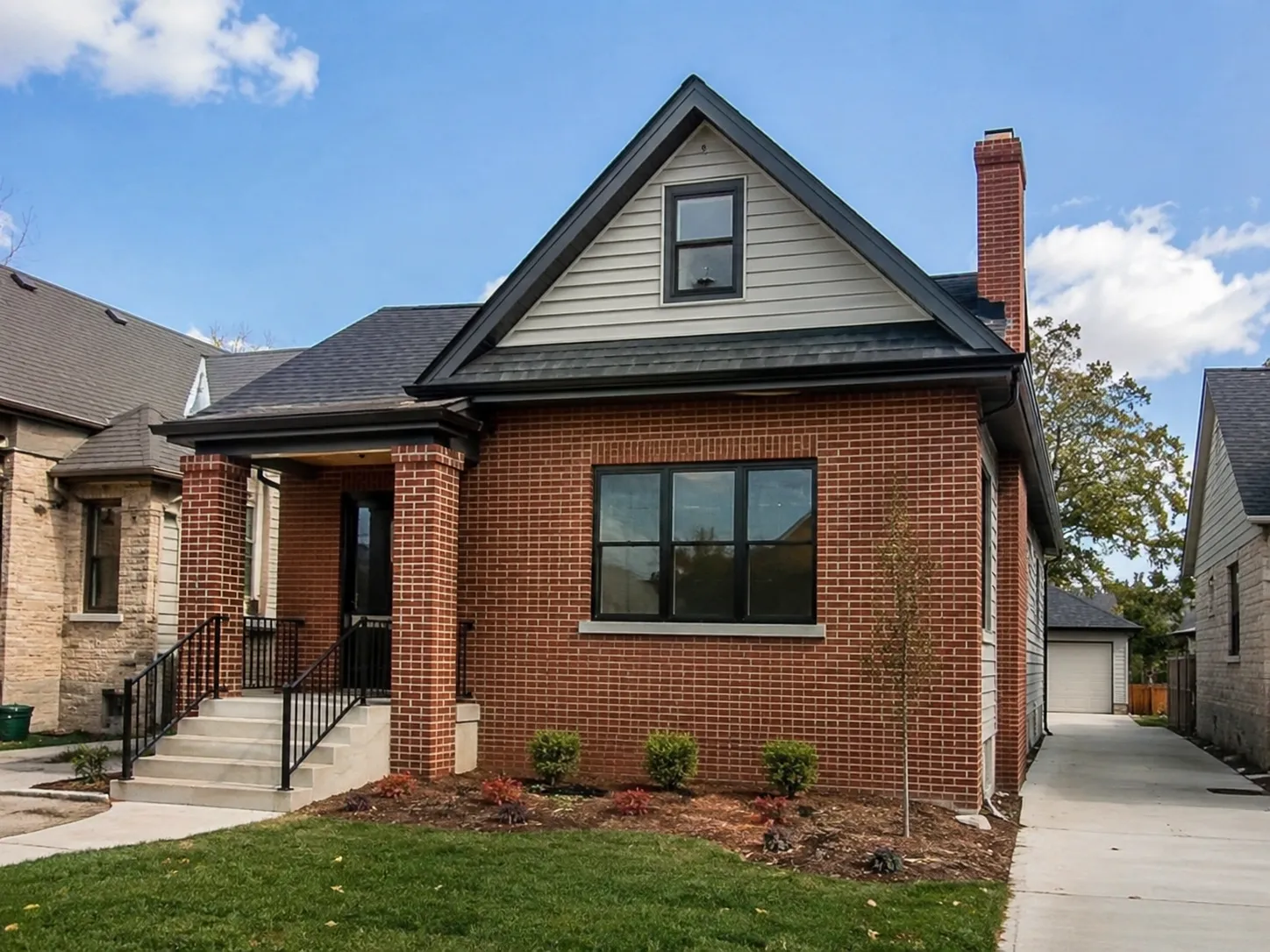
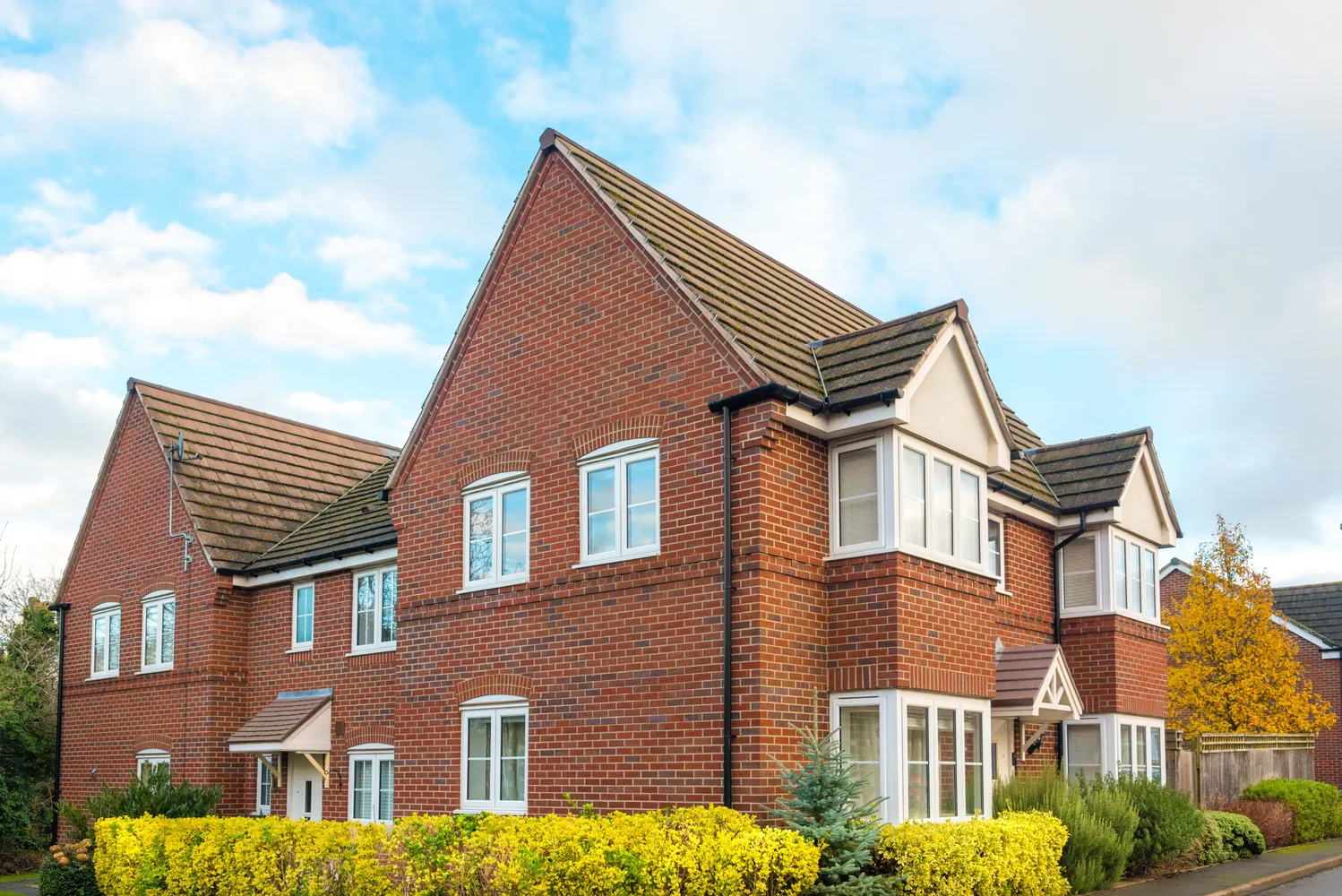
Masonry is a construction technique that involves arranging individual building units and usually joining them with mortar. Instead of pouring the entire structure as one continuous mass, a mason builds it piece by piece.
Common masonry materials include:
-
Brick
-
Natural stone
-
Concrete block
-
Concrete masonry units
-
Manufactured stone
-
Clay tile
-
Glass block
Mortar is applied between the units to hold them together, create consistent joints, and distribute weight. Depending on the project, masonry may be structural, decorative, or a combination of both.
Masonry is frequently used for:
-
Brick walls
-
Stone facades
-
Chimneys
-
Fireplaces
-
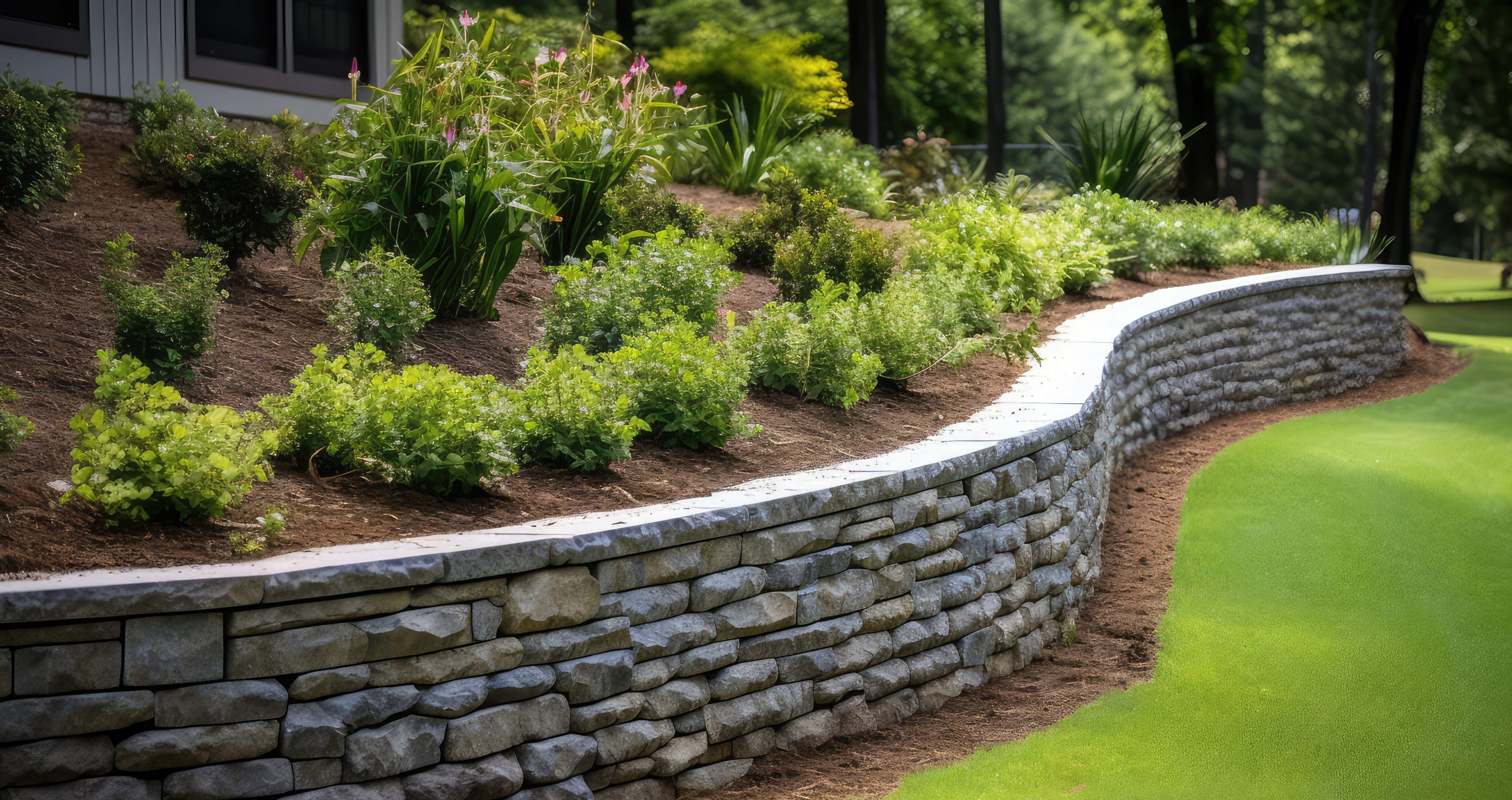
Retaining walls
-
Concrete block foundations
-
Outdoor kitchens
-
Garden walls
-
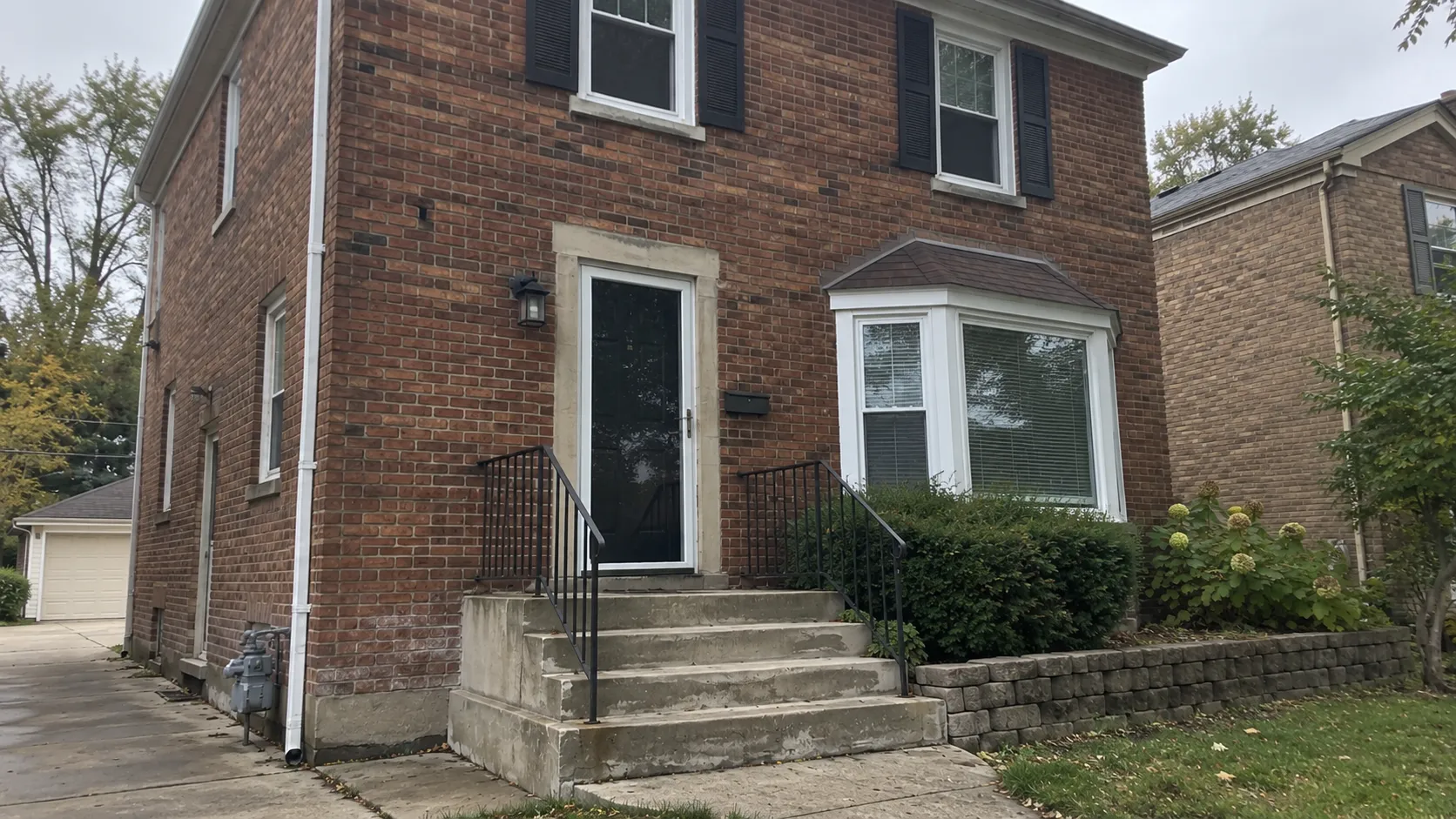
Walkways and steps
-
Decorative stonework
A skilled mason must understand more than the placement of bricks or stones. Proper masonry work also requires knowledge of foundations, drainage, mortar selection, joint design, flashing, reinforcement, and local weather conditions.
Is Masonry the Same as Concrete?
No, masonry is not the same as concrete.
The simplest way to understand the difference is this:
Concrete is a material, while masonry is a method of construction.
Concrete is typically mixed and poured into forms. Masonry is assembled from separate units that are placed individually and connected with mortar.
There is some overlap, which is where the confusion begins. Concrete can be manufactured into blocks, and those blocks can then be used in masonry construction. In that case, concrete is the material used to create the masonry units.
A poured concrete wall, however, is not usually considered masonry because it does not consist of individual blocks, bricks, or stones.
Concrete vs. Masonry at a Glance
|
Feature
|
Concrete
|
Masonry
|
|
Basic definition
|
A construction material
|
A construction method
|
|
Installation
|
Mixed and poured into forms
|
Built from individual units
|
|
Common materials
|
Cement, water, sand, and aggregate
|
Brick, stone, or concrete block
|
|
Connections
|
Forms one continuous structure
|
Units are usually joined with mortar
|
|
Common uses
|
Slabs, driveways, foundations, and patios
|
Walls, chimneys, facades, and fireplaces
|
|
Typical specialist
|
Concrete contractor
|
Mason or masonry contractor
|
|
Appearance
|
Usually uniform and continuous
|
Visible patterns, joints, and individual units
|
Is Cement the Same as Concrete?
Cement, concrete, and masonry are three different terms.
Cement is an ingredient used to make concrete. It can also be used to produce mortar, which helps connect masonry units.
A helpful comparison is that cement is to concrete what flour is to bread. Flour is an important ingredient, but it is not the finished product. In the same way, cement is part of concrete, but cement and concrete are not the same thing.
Mortar also contains cement, but it is formulated differently from concrete. Mortar is designed to bond bricks, blocks, or stones together. Concrete contains larger aggregate and is intended to create solid structural elements.
What Is Concrete Masonry?
Concrete masonry is where the two terms meet.
Concrete masonry uses manufactured concrete units, often called concrete masonry units or CMUs. These units are stacked in courses and joined with mortar, much like traditional brick.
Concrete blocks may be hollow or solid. Hollow units can contain steel reinforcement and grout to improve structural strength. Concrete masonry is commonly found in:
-
Foundation walls
-
Basements
-
Commercial buildings
-
Garages
-
Retaining walls
-
Warehouses
-
Fire-resistant walls
Although the blocks are made from concrete, the finished structure is classified as masonry because it is assembled from individual units.
Which Is Stronger, Concrete or Masonry?
There is no universal answer because strength depends on the design, materials, workmanship, reinforcement, and intended use.
Poured concrete creates a continuous structure and can be reinforced with steel. This makes it especially useful for foundations, slabs, structural walls, and surfaces that must support substantial weight.
Masonry structures can also be extremely strong. Brick, stone, and concrete block can last for decades when installed on a stable base and protected from excessive moisture. Reinforced concrete block walls can support significant structural loads.
The better question is not simply which one is stronger. It is which system is more appropriate for the specific project.
For example:
-
A concrete slab is usually a practical choice for a garage floor.
-
Brick masonry may be preferred for a traditional exterior facade.
-
Reinforced concrete may be appropriate for a structural foundation.
-
Natural stone masonry may be selected for appearance and long-term durability.
-
Concrete block masonry may work well for a basement or commercial wall.
Good design and installation are often more important than choosing one category over the other.
How Do Concrete and Masonry Fail?
Concrete and masonry can both be durable, but neither is maintenance-free. Each system can develop different problems over time.
Common Concrete Problems
Concrete may develop:
-
Surface cracks
-
Settlement
-
Spalling
-
Scaling
-
Discoloration
-
Uneven sections
-
Water damage
-
Freeze-thaw deterioration
Small hairline cracks do not always indicate a structural failure. However, wide, expanding, uneven, or leaking cracks should be evaluated by a qualified professional.
Common Masonry Problems
Masonry may experience:
-
Cracked mortar joints
-
Loose or missing mortar
-
Bulging walls
-
Displaced bricks or stones
-
Efflorescence
-
Spalled brick faces
-
Water intrusion
-
Chimney deterioration
Mortar joints are often more vulnerable than the masonry units themselves. Repointing may be used to remove damaged mortar and replace it with new material that is compatible with the existing masonry.
Using mortar that is too hard for older brick can cause additional damage. The mortar may remain intact while the softer brick begins to crack or spall.
Does Masonry Require a Concrete Foundation?
Many masonry structures require a stable concrete footing or foundation. Brick, block, and stone can be heavy, and the ground beneath them may move with changes in moisture, temperature, or soil conditions.
A properly designed footing distributes the load and reduces the risk of settlement. Without adequate support, a masonry wall may crack, lean, separate, or become unstable.
This is another reason masonry and concrete are often associated with each other. They frequently appear in the same project even though they serve different purposes.
For example, a brick wall may rest on a poured concrete footing. The footing is concrete work, while the brick wall is masonry work.
Is a Concrete Patio Considered Masonry?
A standard poured concrete patio is generally classified as concrete work, not masonry.
A patio built from individual concrete pavers, bricks, or natural stones is more closely associated with masonry or hardscaping. Although the finished surfaces may serve the same purpose, they are installed differently.
Poured concrete is placed as a wet mixture and allowed to cure. Pavers are manufactured units arranged over a prepared base. Their joints may be filled with sand, polymeric sand, or mortar, depending on the installation method.
Is Brick Better Than Poured Concrete?
Neither material is automatically better. The right choice depends on the project’s purpose, design, location, budget, and maintenance needs.
Brick provides a classic appearance and can be repaired one unit at a time. Poured concrete can create a continuous surface and may be faster to install for large slabs or structural elements.
Consider the following factors:
-
Required load-bearing capacity
-
Exposure to water
-
Freeze-thaw conditions
-
Desired appearance
-
Installation cost
-
Maintenance requirements
-
Drainage
-
Existing architecture
-
Local building codes
In cold climates, moisture management is particularly important. Water that enters cracks or porous materials can freeze, expand, and contribute to deterioration.
Should You Hire a Mason or a Concrete Contractor?
The correct contractor depends on the work being performed.
A masonry contractor is typically the right choice for:
-
Brick repair
-
Stone installation
-
Tuckpointing or repointing
-
Chimney repair
-
Concrete block walls
-
Brick or stone facades
-
Masonry restoration
A concrete contractor is usually more appropriate for:
-
Poured driveways
-
Concrete patios
-
Sidewalks
-
Slabs
-
Concrete foundations
-
Poured steps
-
Concrete resurfacing
Some companies perform both masonry and concrete work. Before hiring one, ask whether the contractor has direct experience with your specific type of project. Installing a decorative stone veneer requires different skills from pouring and finishing a large concrete driveway.
Why the Difference Matters
Confusing masonry with concrete may seem harmless, but the distinction matters when planning repairs or requesting estimates.
Calling the right specialist can help you receive a more accurate assessment. It also makes it easier to compare proposals, understand the recommended materials, and evaluate the scope of work.
The difference affects:
-
Installation methods
-
Repair techniques
-
Tools and equipment
-
Material selection
-
Structural design
-
Moisture control
-
Maintenance requirements
-
Project pricing
A cracked poured foundation and deteriorated mortar joints may look like similar problems to an untrained eye. However, they require different repair methods and possibly different specialists.
Frequently Asked Questions
Is Concrete Block Considered Masonry?
Yes. A concrete block is made from concrete, but a wall built from individual concrete blocks is considered masonry construction.
Is Brick Made of Concrete?
Traditional brick is usually made from clay that is shaped and fired. Concrete bricks also exist, but they are manufactured from cement, sand, aggregate, and water.
Is Mortar the Same as Concrete?
No. Both may contain cement, but they have different formulas and purposes. Mortar bonds masonry units together, while concrete is used to form slabs, walls, foundations, and other solid elements.
Is Stonework Considered Masonry?
Yes. Natural or manufactured stone installed as individual units is generally considered masonry.
Can a Mason Repair Concrete?
Some masonry contractors also provide concrete repair, but not every mason specializes in poured concrete. Always confirm the contractor’s experience with the exact repair your property requires.
So, is masonry the same as concrete? No. Concrete is a building material that is usually poured into forms, while masonry is a construction method that uses individual bricks, blocks, or stones.
The two can work together, and concrete can even become part of a masonry system when it is manufactured into blocks. Still, the terms describe different materials, installation techniques, repair methods, and areas of expertise.
Knowing the difference will help you communicate more effectively with contractors and choose the right solution for your property. Whether you are planning a new wall, repairing a chimney, replacing a driveway, or building a foundation, the best results begin with identifying the correct type of work.